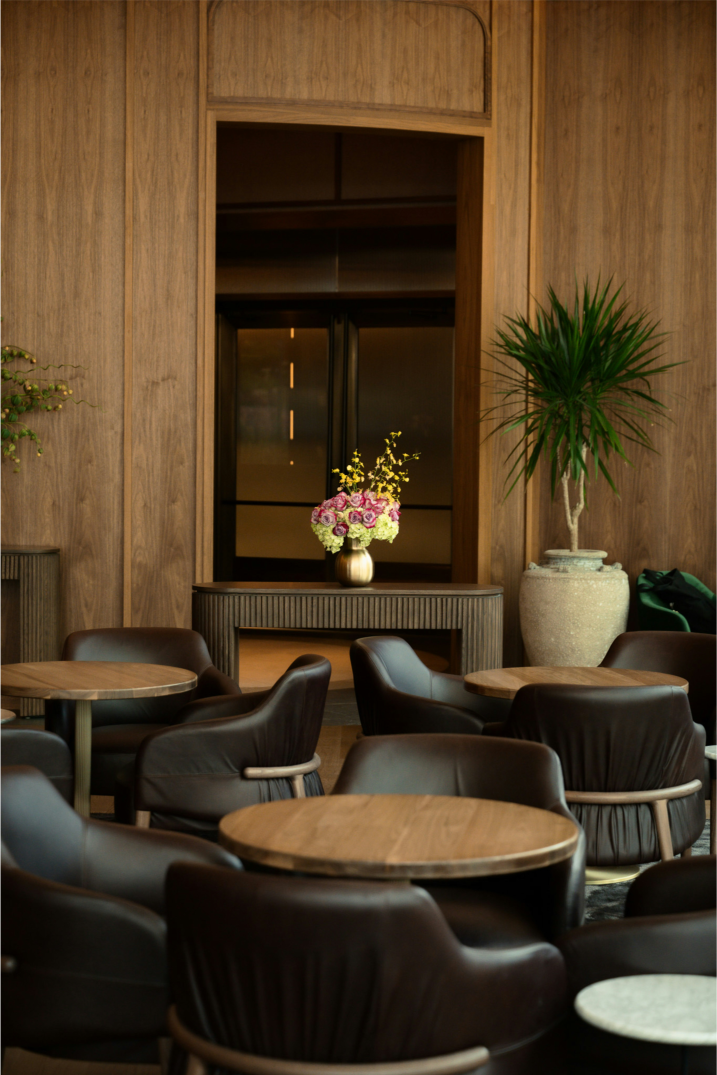
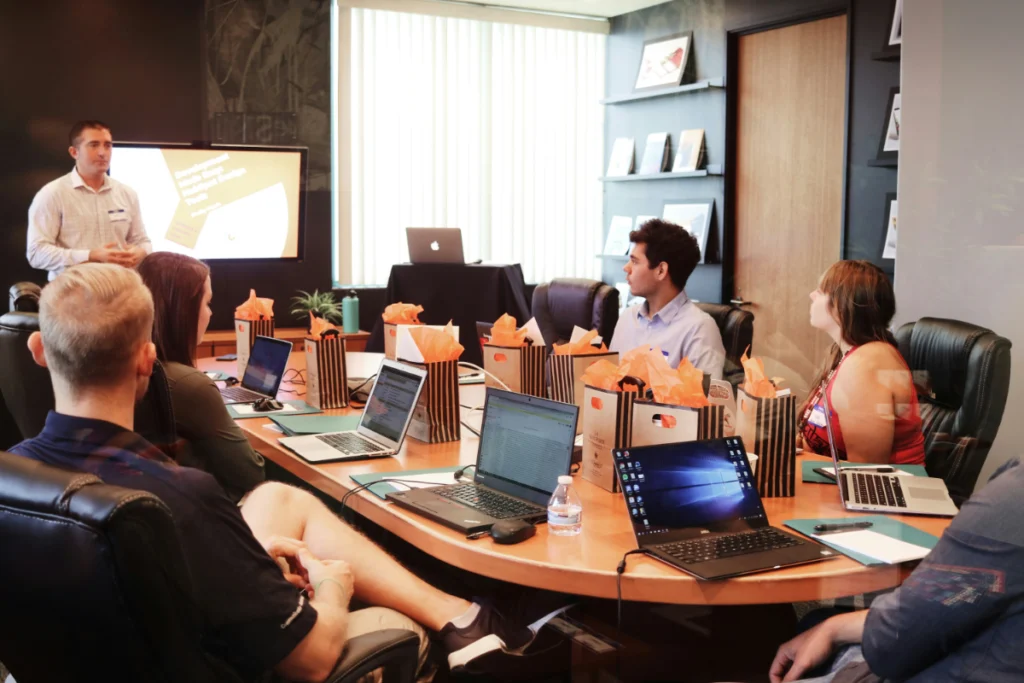
Melius House events are held throughout the year in distinguished locations, worldwide. Past events have convened in New York, Brussels, Paris, London and Oxford.

Each gathering is carefully curated to foster meaningful discourse amongst individuals who share a commitment to thoughtful engagement with contemporary questions through the lens of established wisdom. Attendance is by invitation or referral only, ensuring an environment of trust where participants can speak freely and engage authentically. Select examples of past events can be found below.

New York | March 2025

The Future of Capital Stewardship

Structure: Private Executive Chat

A closed roundtable convened under Chatham House Rule to examine evolving approaches to long-term capital management and generational wealth transfer. Fourteen participants, including senior executives across investment and finance, engaged in frank discussion of succession planning challenges, regulatory pressures and philosophical questions surrounding capital preservation across generations.


The session was moderated by representatives from Laver Capital, who structured the conversation around three thematic segments: contemporary threats to capital continuity, the tension between growth and preservation, and models for aligning family values with investment strategies.

Brussels | September 2025

The Question of Cultural Memory

Structure: Private Executive Roundtable

An intimate roundtable examining how societies preserve and transmit cultural knowledge across generations. Twelve participants gathered for an evening of moderated discussion over a private meal, exploring tensions between innovation and tradition in contemporary cultural institutions.


The conversation was structured around three inquiry areas: the role of private collections in preserving cultural heritage, challenges facing traditional institutions in digital transformation, and evolving models of cultural patronage. Melius House provided a designated moderator from Art Brussels who guided discussion whilst allowing organic development of ideas, with each participant contributing prepared observations before open exchange.

New York (Lower Connecticut) | July 2025

Patronage and Purpose

Structure: Private Weekend Retreat

A weekend retreat convened to examine contemporary models of arts patronage and the collector’s evolving responsibility. Twenty participants engaged in structured sessions and informal conversations across two days, addressing practical challenges and philosophical questions surrounding cultural stewardship.

Sessions were divided between morning seminars on specific case studies, afternoon small-group discussions on implementation challenges, and evening salons exploring broader questions of legacy and intention. Professional facilitators from Sotheby’s, the Guggenheim and MoMa guided formal segments whilst preserving space for unstructured dialogue, allowing relationships to develop organically amongst participants.

Paris | May 2025

Literature and Public Discourse

Structure: Exclusive Salon Dinner

Melius House hosted a salon-style afternoon gathering examining the writer’s role in contemporary society and the relationship between literary work and public engagement. Eight participants convened for unscripted dialogue in a private residence, addressing questions of authorial responsibility, market pressures and the tension between artistic integrity and public reception.


The host introduced thematic provocations to guide conversation: whether writers bear obligation to address current affairs, how commercial considerations shape literary output, and the changing nature of the reading public. Discussion unfolded without formal moderation, following the historical salon model where ideas emerge through natural exchange rather than predetermined structure.

Oxford | December 2024

The University Question

Structure: Private Panel Symposium

A private day-long symposium held at an historic college addressing the purpose and future of higher education in an era of institutional scepticism. Fifteen participants engaged in moderated panels and small-group discussions examining fundamental questions about scholarly formation, institutional sustainability and the transmission of knowledge.


The programme featured two panel sessions addressing distinct aspects: financial models for institutional independence and the university’s role in preserving intellectual tradition whilst remaining responsive to contemporary needs. Each panel included prepared presentations followed by substantive discussion amongst all participants, with sessions designed to build upon insights developed earlier in the day.

Melius House
Privacy Overview

This website uses cookies so that we can provide you with the best user experience possible. Cookie information is stored in your browser and performs functions such as recognising you when you return to our website and helping our team to understand which sections of the website you find most interesting and useful.